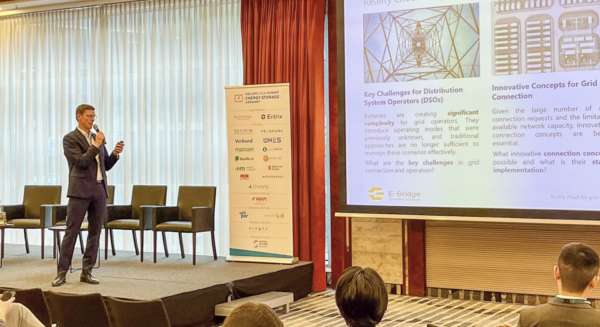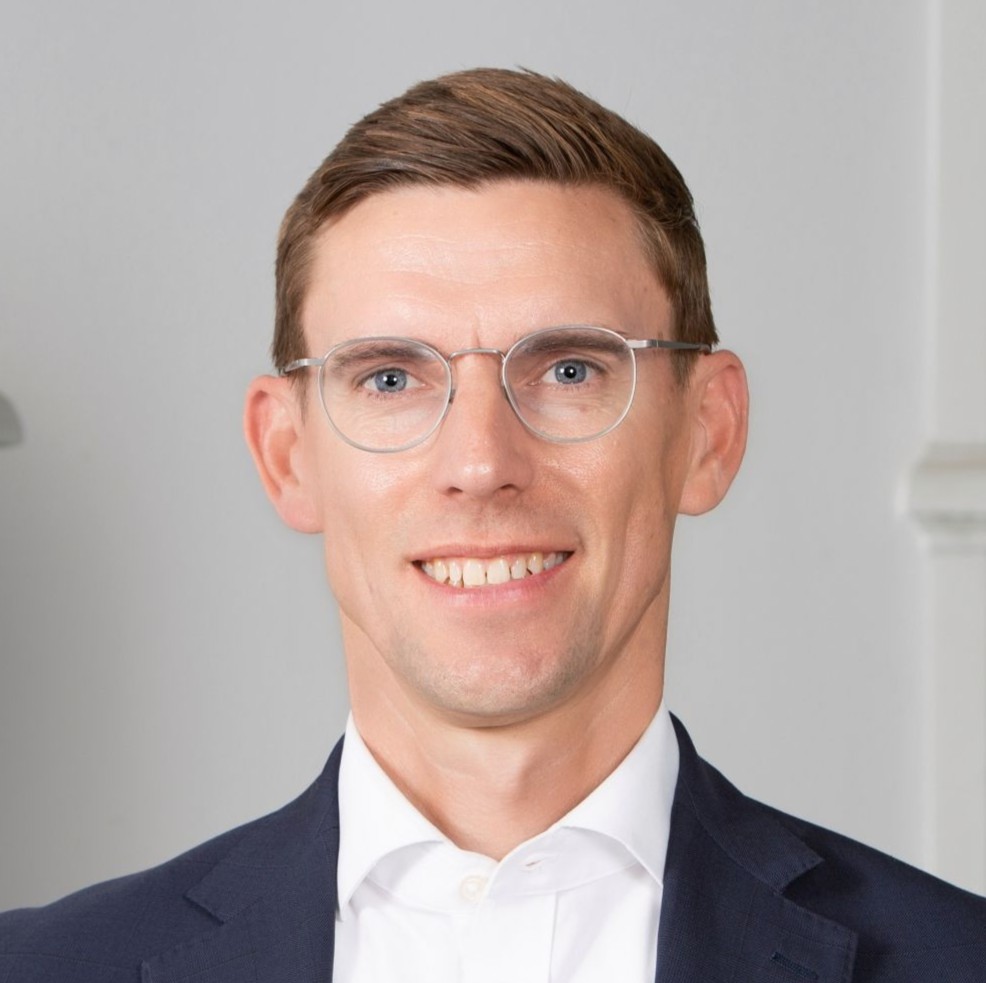

At the Solarplaza Conference in Cologne, Henning Schuster took a sober look at the current state of grid connections for Battery Energy Storage Systems (BESS).
The reality from the perspective of distribution system operators is clear:
- Battery storage introduces operating modes to the grid that have not existed before
- High power gradients, feed-in during redispatch periods, and local bottlenecks limit operational usability
- A significant portion of connection requests – totalling more than 700 GW in Germany – currently serves more as a search for capacity than as concrete project implementation
- Without regulatory adjustments, there is a risk of blocking scarce grid connection capacity – also to the detriment of other system-relevant consumers (e.g., data centres)
At the same time, it becomes evident:
Traditional grid connection logic is reaching its limits.
A key solution approach: Flexible Connection Agreements (FCA):
- Connection under defined conditions, even in congested networks
- Clear responsibilities and technical requirements
- Static or dynamic design options
- Balance between market operation and grid security
This is exactly where our consulting at E-Bridge comes in:
- Supporting grid operators in designing and implementing FCA (products, processes, technical requirements, contracts).
- Assisting storage and project developers with connection strategies, operating models, and regulatory classification.
- Evaluating and further developing regulations, connection processes, and digitalisation solutions – from the connection request to operational management.
Regulatory developments are also on the horizon:
- Revision of KraftNAV
- Stricter quality requirements for connection applications
- Moving away from “first come, first served” towards allocation based on quality and system relevance
- Announced grid connection package from BMWi for Q1 2026
Our conclusion at E-Bridge: The ramp-up of battery storage will only succeed if grid connection rules are practical, regulatory sound, and operationally manageable. That is exactly what we are working on – together with grid operators and project developers.
Many thanks to Solarplaza, Eva Zimmermann, and Edwin Koot for the exciting discussions in Cologne. We look forward to continuing the exchange.